
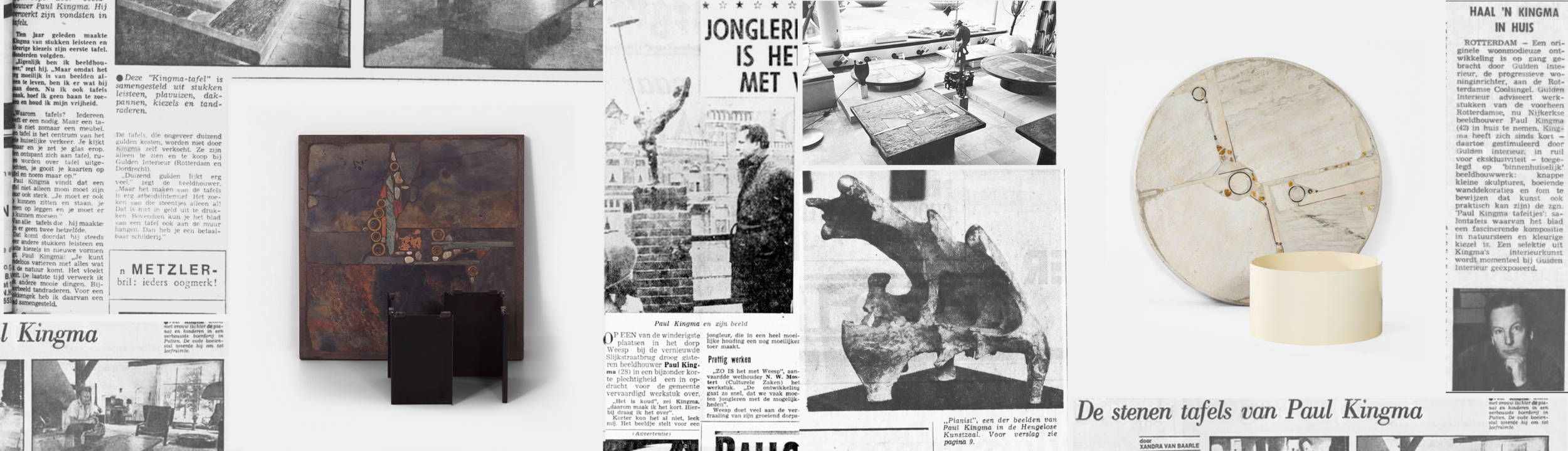
tables AS THE CENTER of domestic life; The stone tables of Paul Kingma
“A table is the center of everything that happens in the home. Many things are discussed, many decisions are made. Children are educated or play at it or on it. Working on table has now evolved into creating a tableau, a self-contained design that can later be used as a table.” – Paul Kingma
For Paul Kingma, a table wasn’t just a piece of furniture. With this in mind, he began designing his iconic natural stone mosaic tables in 1956.
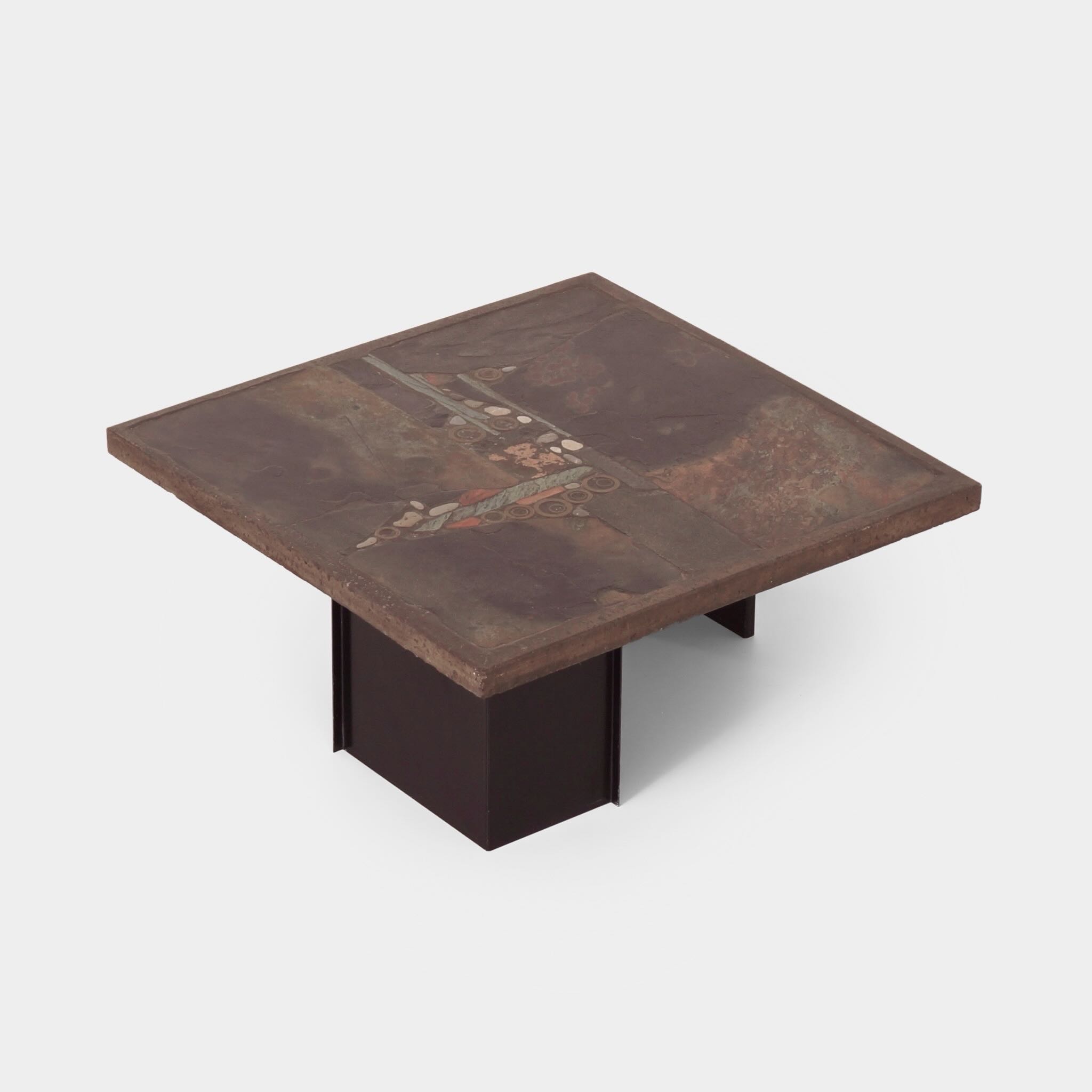
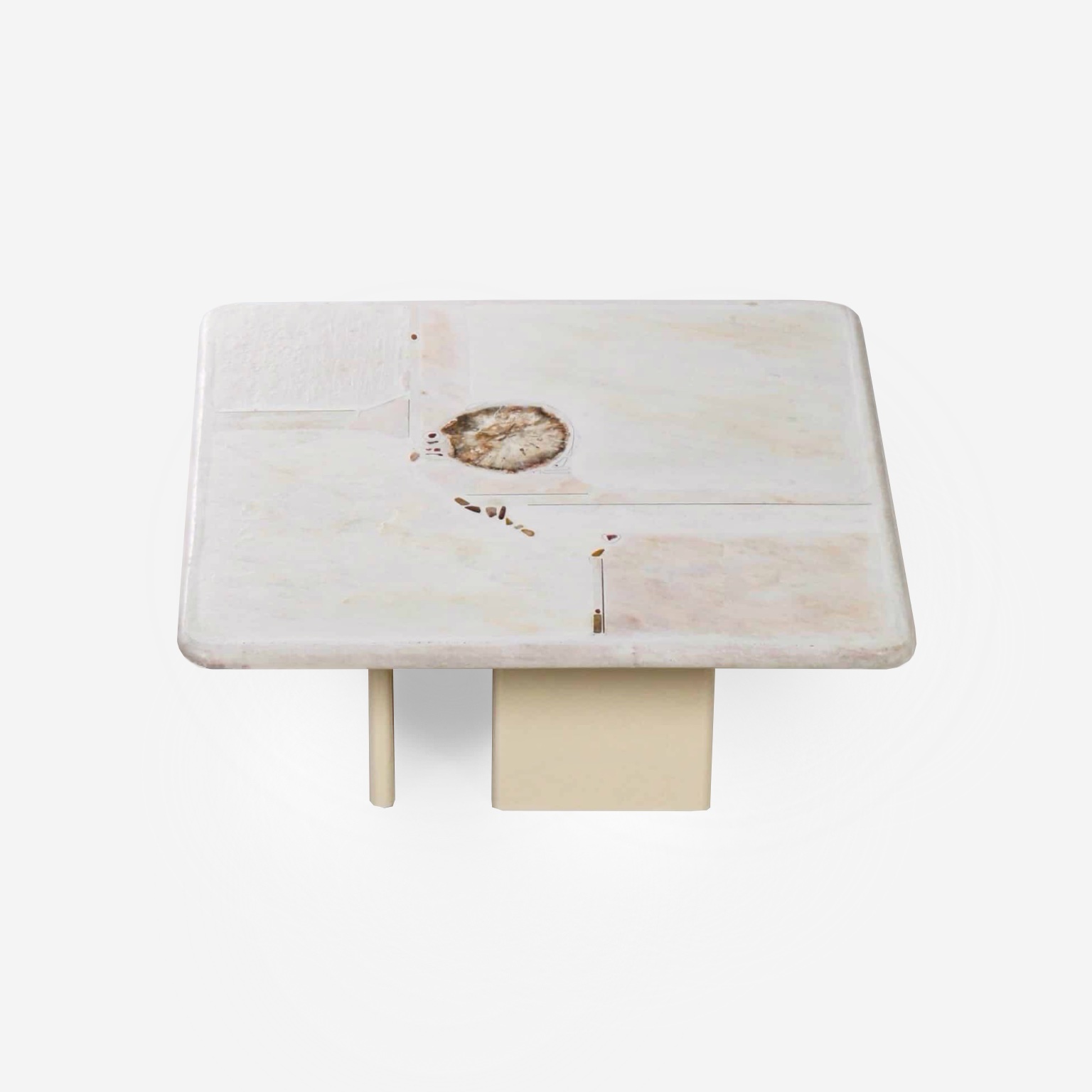
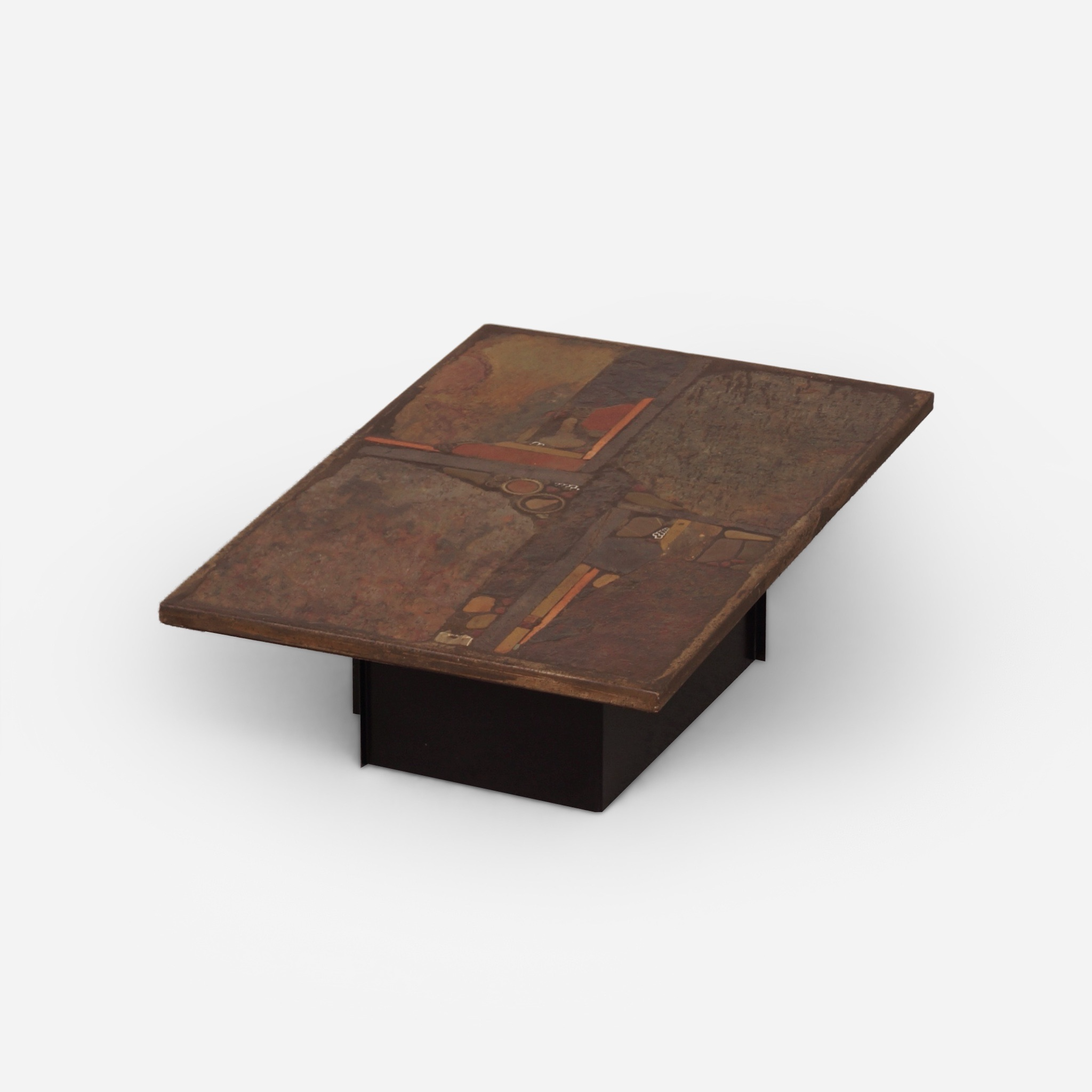
“Goal: creating a tableau that ignores fashion, doesn’t age or wear out, and will serve us flawlessly for years to come. Or even longer. Working in this way is a privilege and that’s why I sincerely declare: ‘the next tableau will be the most beautiful.'” – Paul Kingma
MOSAIC from nature
Paul Kingma’s heart goes out to the beauty of nature. He believes that the history of life and the world reveals itself in nature and other objects.
I came to this conclusion out of a passion for the many beautiful things around us that owe their beauty to the passing of time. Fossils and petrified wood are many millions of years old and are, along with gemstones, my starting materials. – Paul Kingma
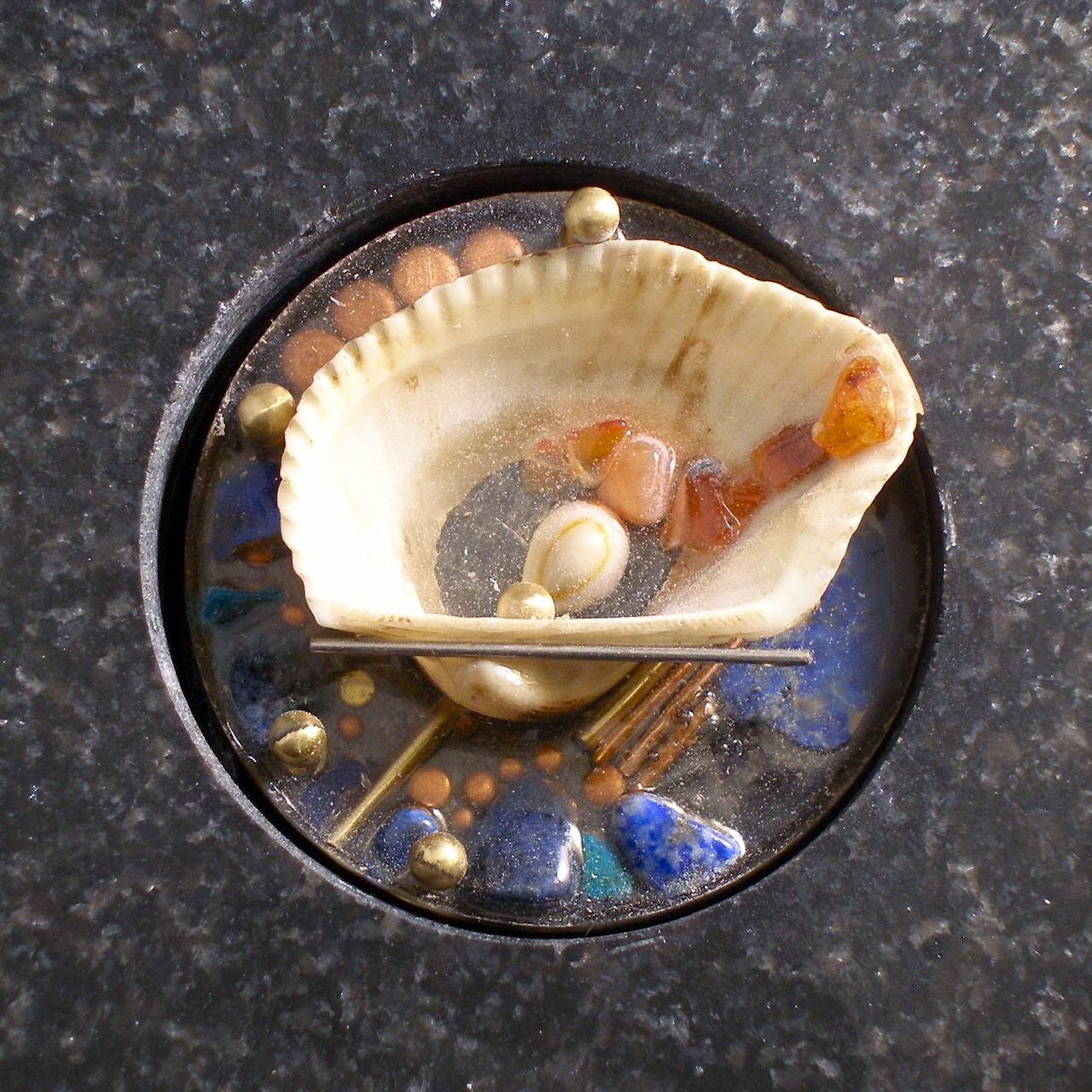
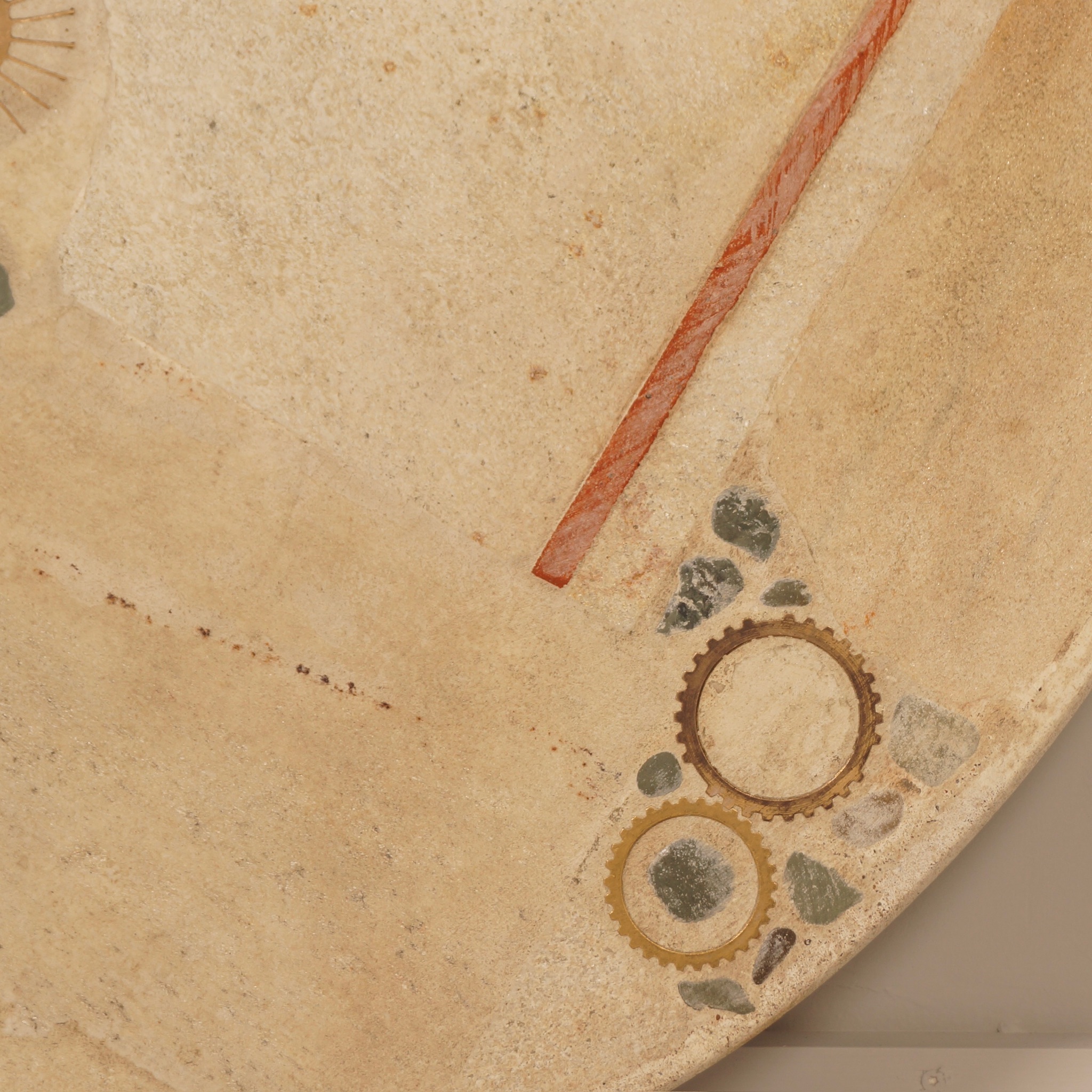
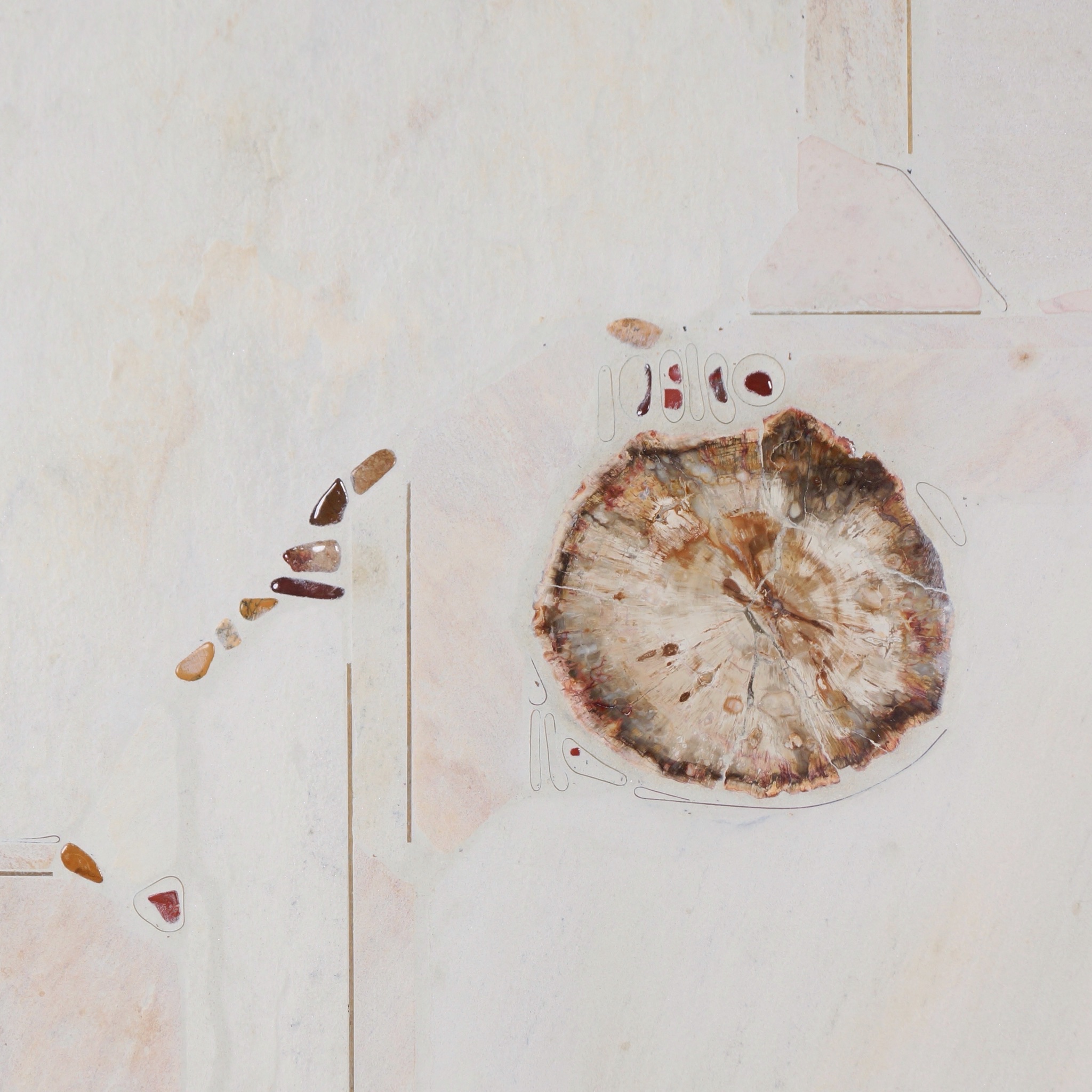
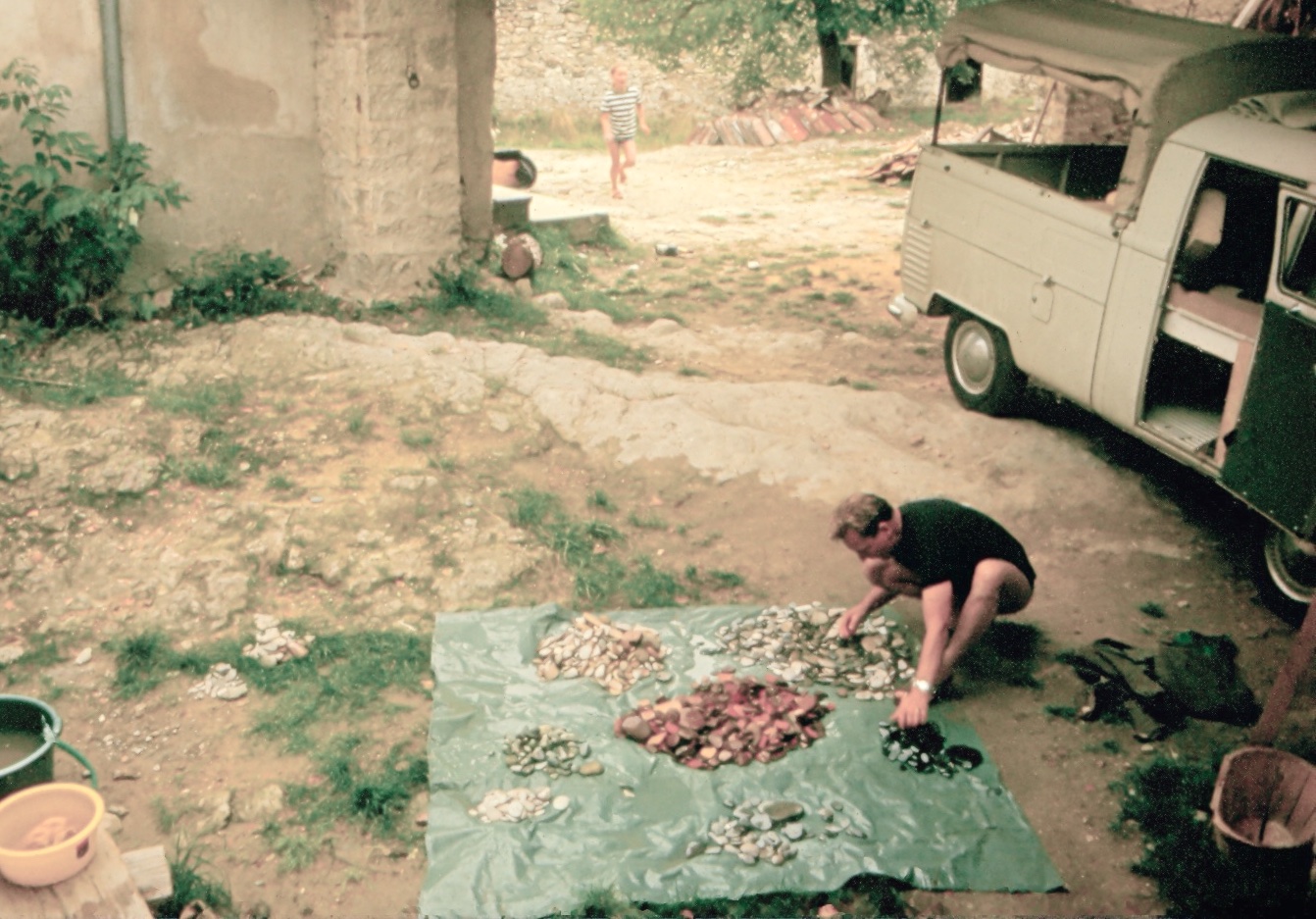
Because of his choice of materials, no two Kingma tables were the same. He gathered his materials wherever he went. He even spent his holidays abroad collecting stones: slate from European quarries, olive-green pebbles from Elba, fossils, semi-precious stones, brass, glass, gears, or even a piece of roof tile.
“You can vary endlessly with everything that comes from nature. It never clashes. Lately I’ve also been incorporating other beautiful things. For example, cogwheels. I’ve put together a table about them for a clock enthusiast.” – Paul Kingma
AT MY CORE I AM A SCULPTOR
Kingma’s true passion was sculpture, and he created a considerable amount of art for public spaces. Three of his bronze sculptures can be found in Utrecht’s Jaarbeursplein. His work is also on display in Mouscron, Veenendaal, Putten, and Weesp, Belgium. Kingma’s work has not only been exhibited in major Dutch cities, but also in Paris (France), Salzburg (Austria), and New York (USA).
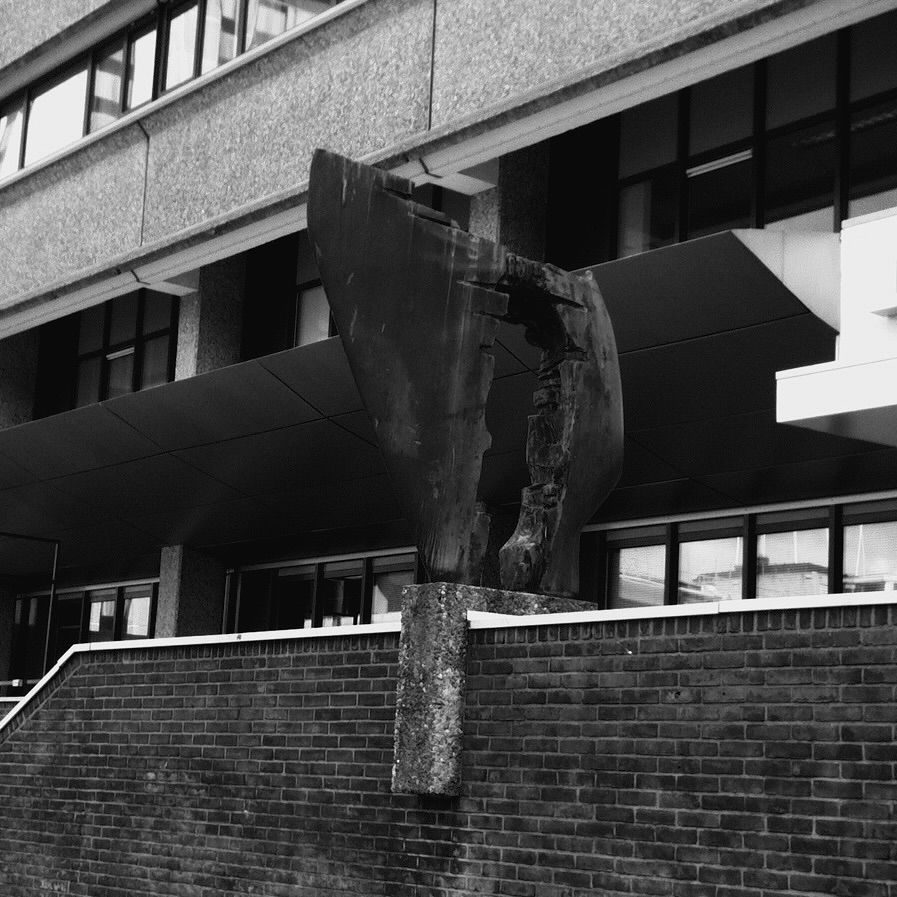
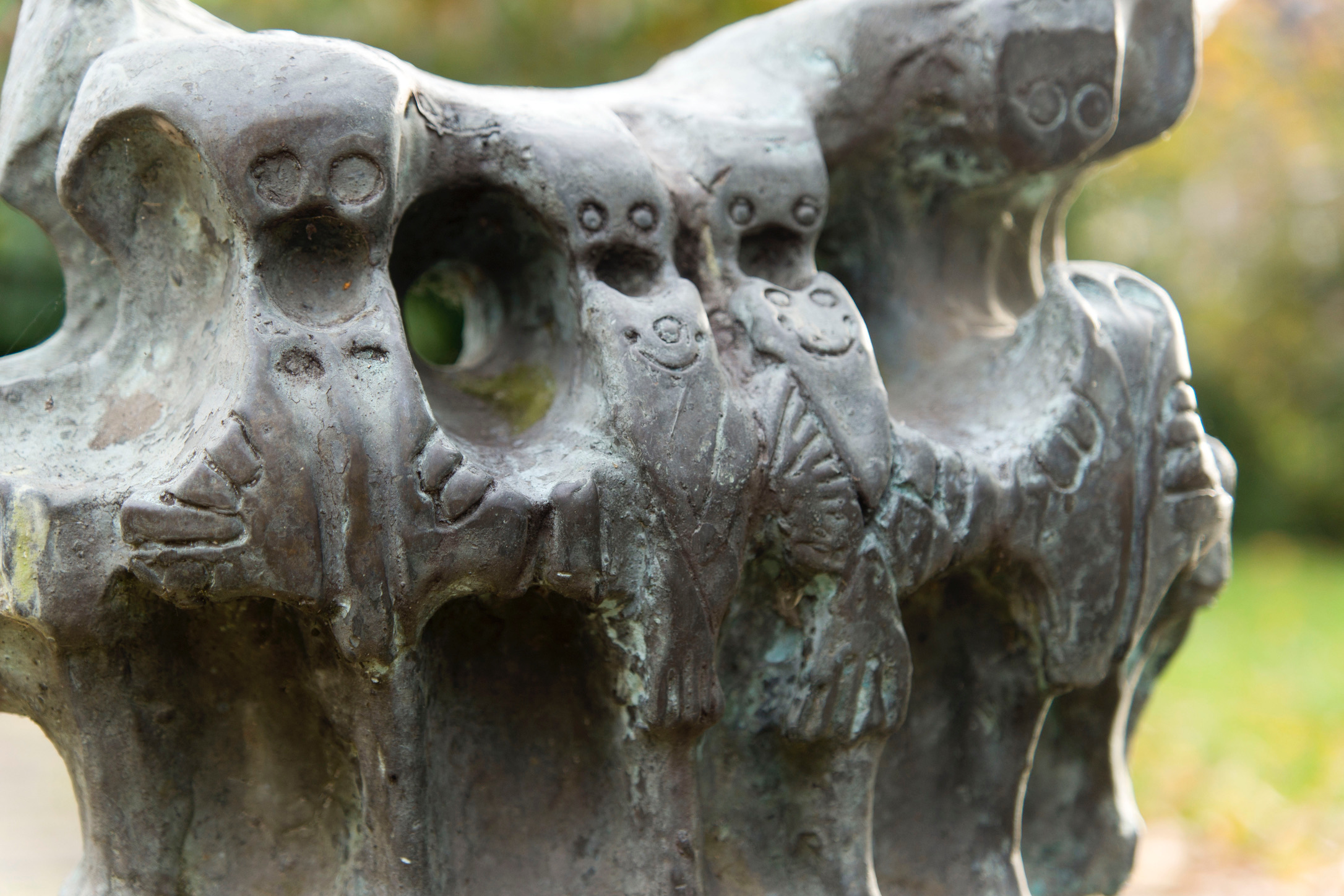
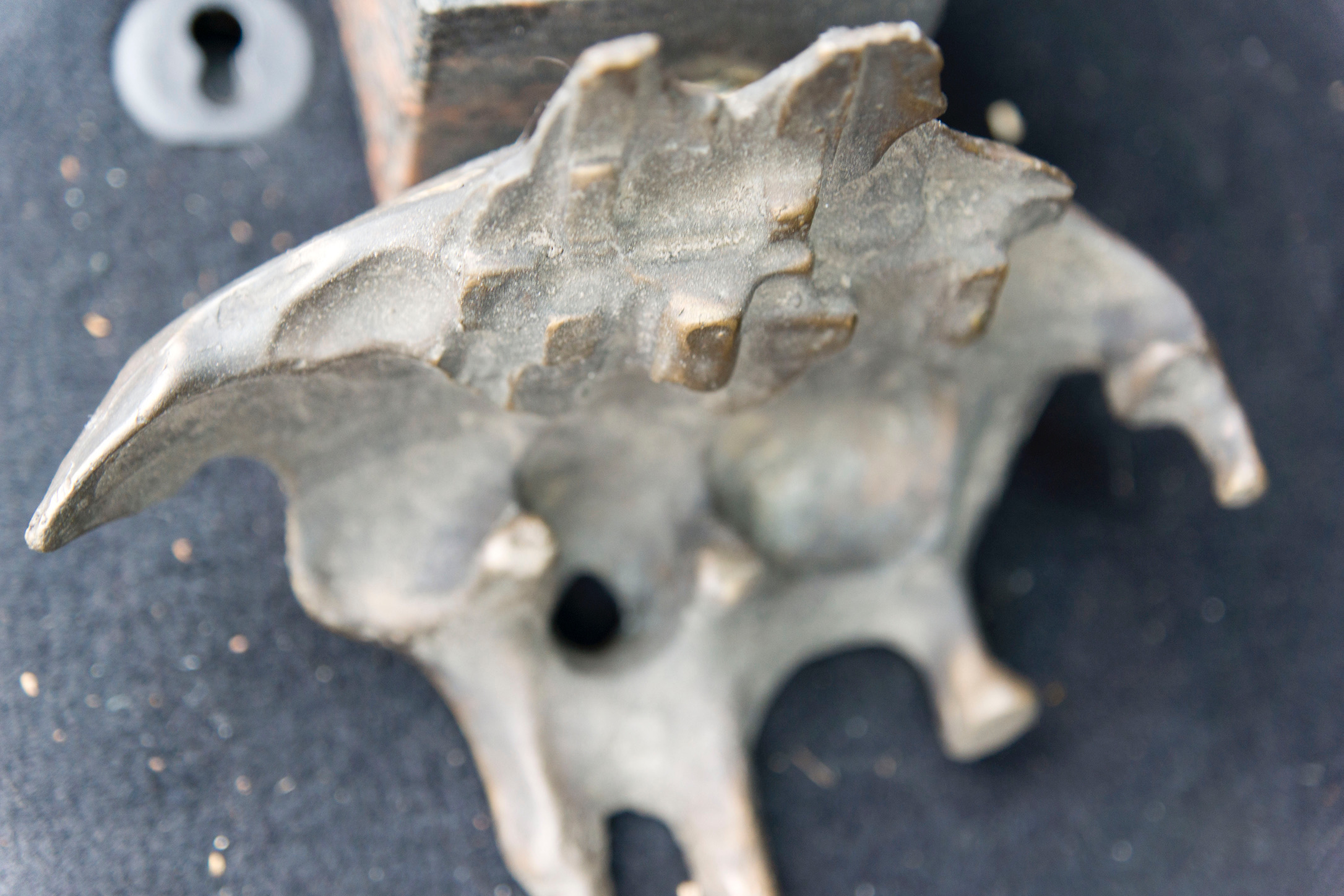
In 1956, when he started his family, he began making tables to earn some extra dough. He was afraid that sculptures alone wouldn’t secure enough income. “Everyone needs a table,” he said.
Signature and IDENTIFICATION
Genuine Kingma tables are always signed: Kingma, P. Kingma. The signature is often accompanied by a date and sometimes also by a Roman numeral beneath the top indicating the month of completion. There are no tables without a signature.
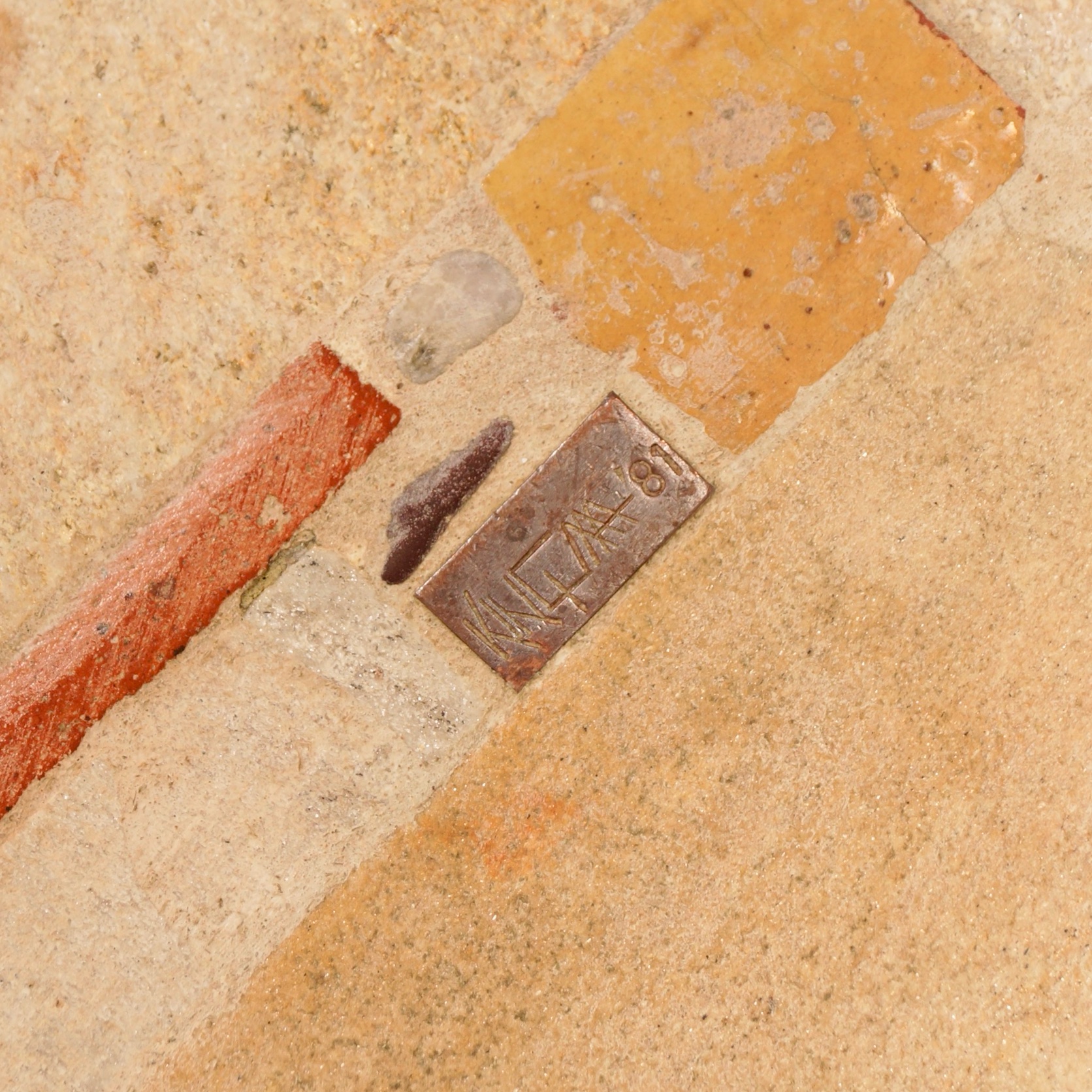
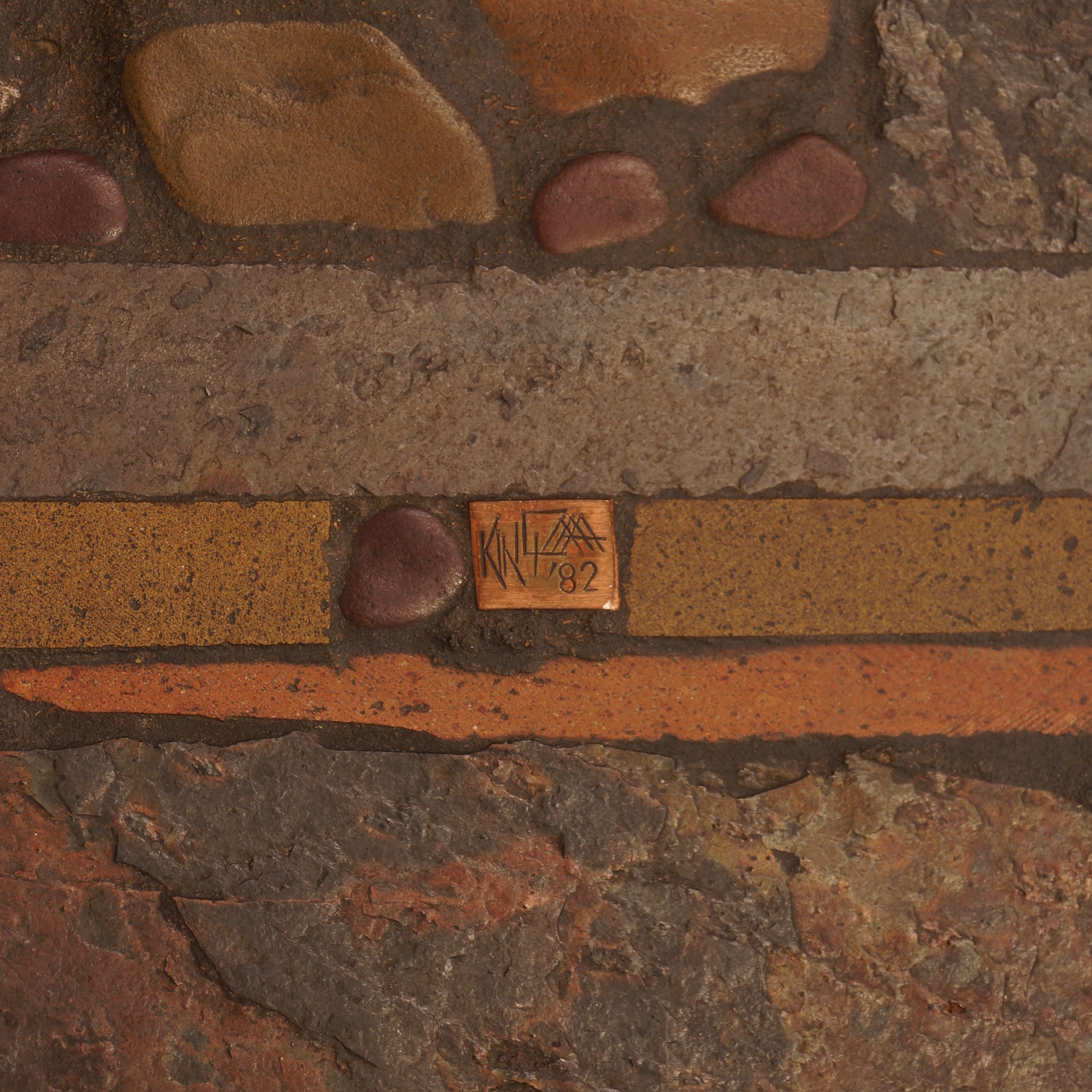
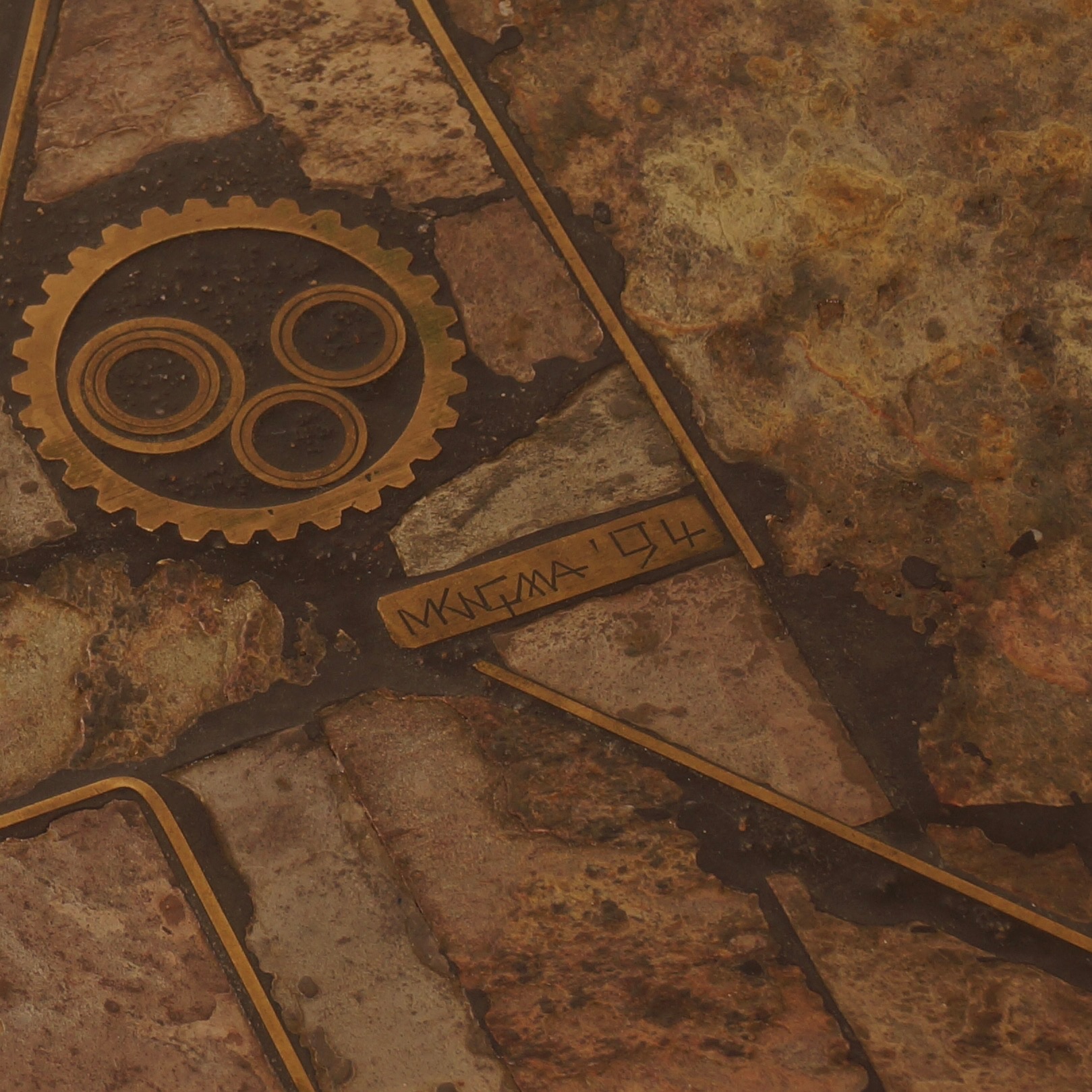
Early tables also feature Paul’s own handprint on the underside of the tabletop. The name Kingma is clearly and legibly etched into the concrete.
In some cases, the tables also feature a small handprint of his son, Marcus (M. Kingma). Marcus worked with his father from childhood. Later in life, Markus made Kingma tables for fifteen years, primarily for the German market.
Unfortunately, these days, imitations are also offered as “Kingma.” Sometimes the same signature style is imitated, but a different name appears on the table. We’ve been selling Kingma tables for years and recognize his work by the signature and refined finish through our experience.
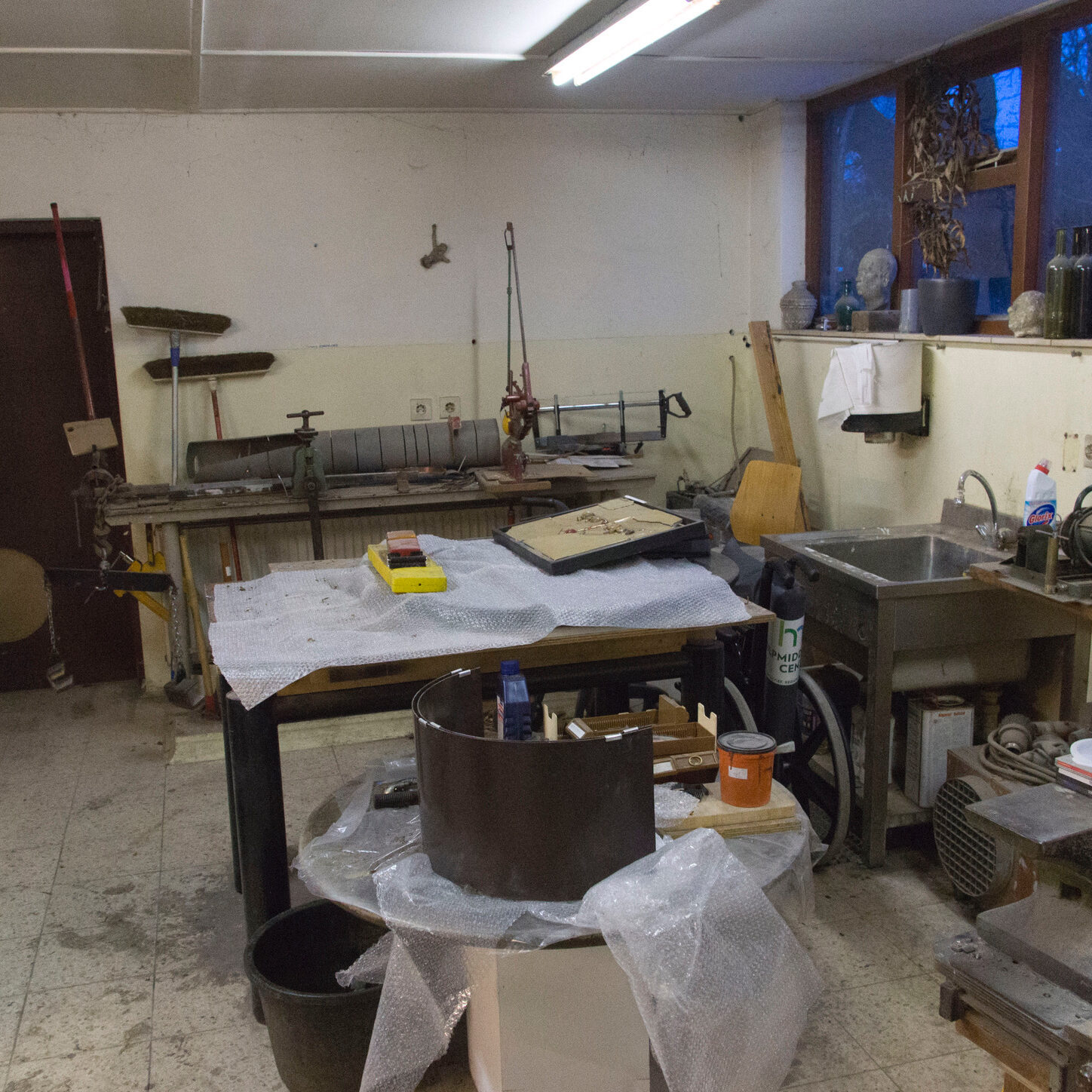
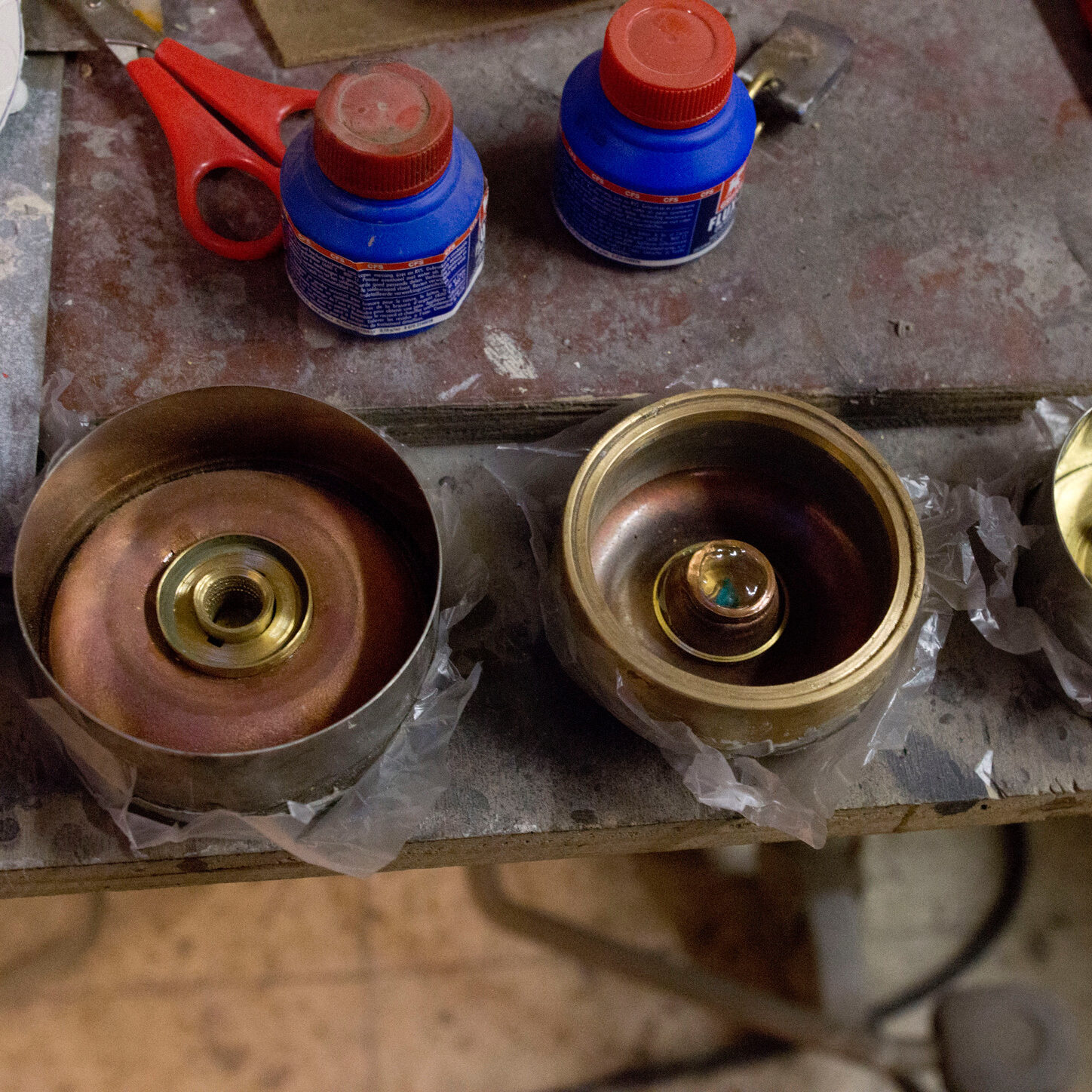
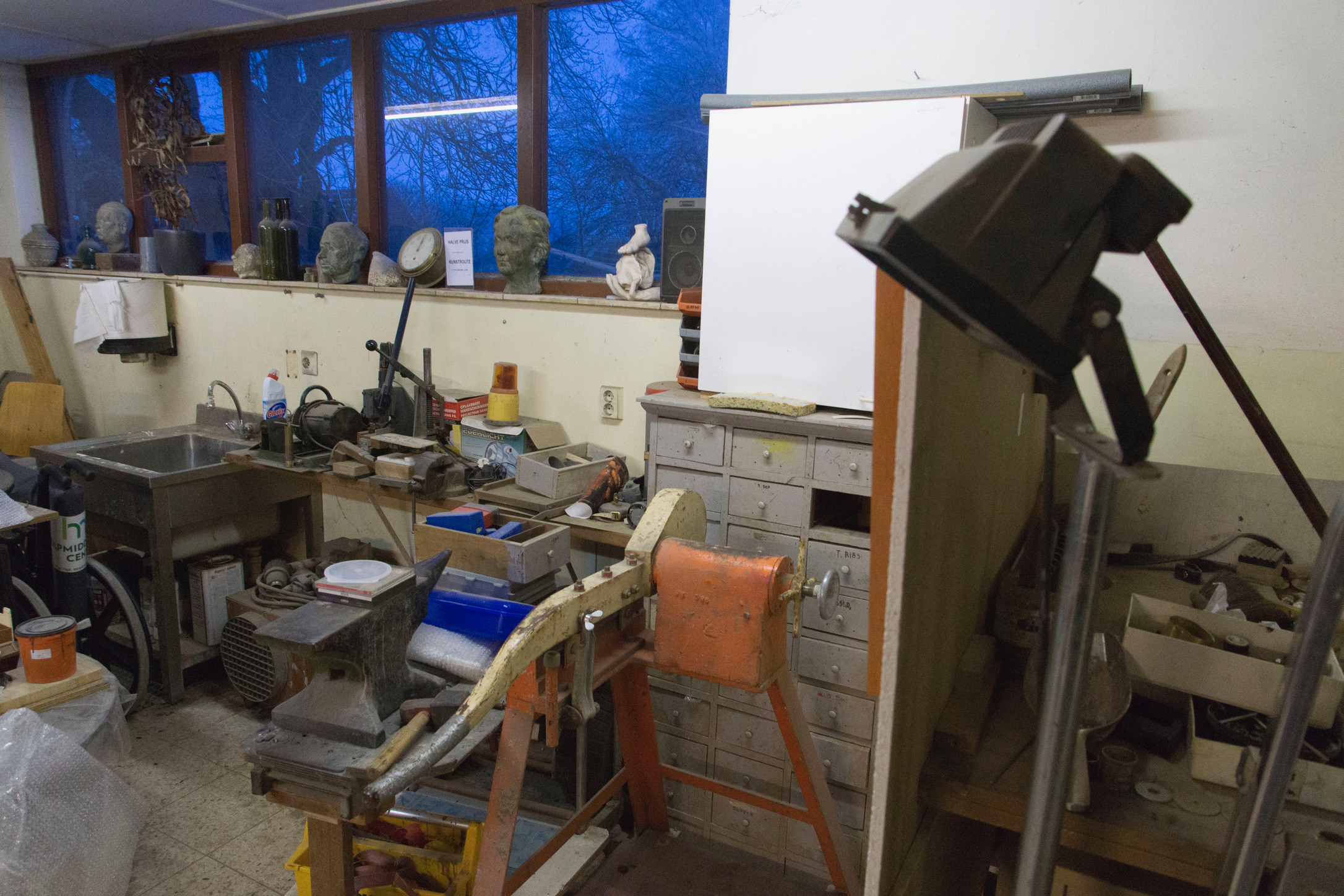
In the workplace
Paul Kingma’s last studio was in Pingjum, Friesland.
Brutalism and timelessness
Kingma’s work is often associated with Brutalism: robust, monumental, and honest in its use of materials. Yet his tables transcend any style. They are timeless, resistant to fads, and designed to last for generations.
Autobiography
Paul Reiner Kingma was born in The Hague (1931) and studied at the Genootschap Kunstoefening in Arnhem, the Rijksakademie van Beeldende Kunsten in Amsterdam (with Piet Esser) and the Royal Academy of Arts in London.
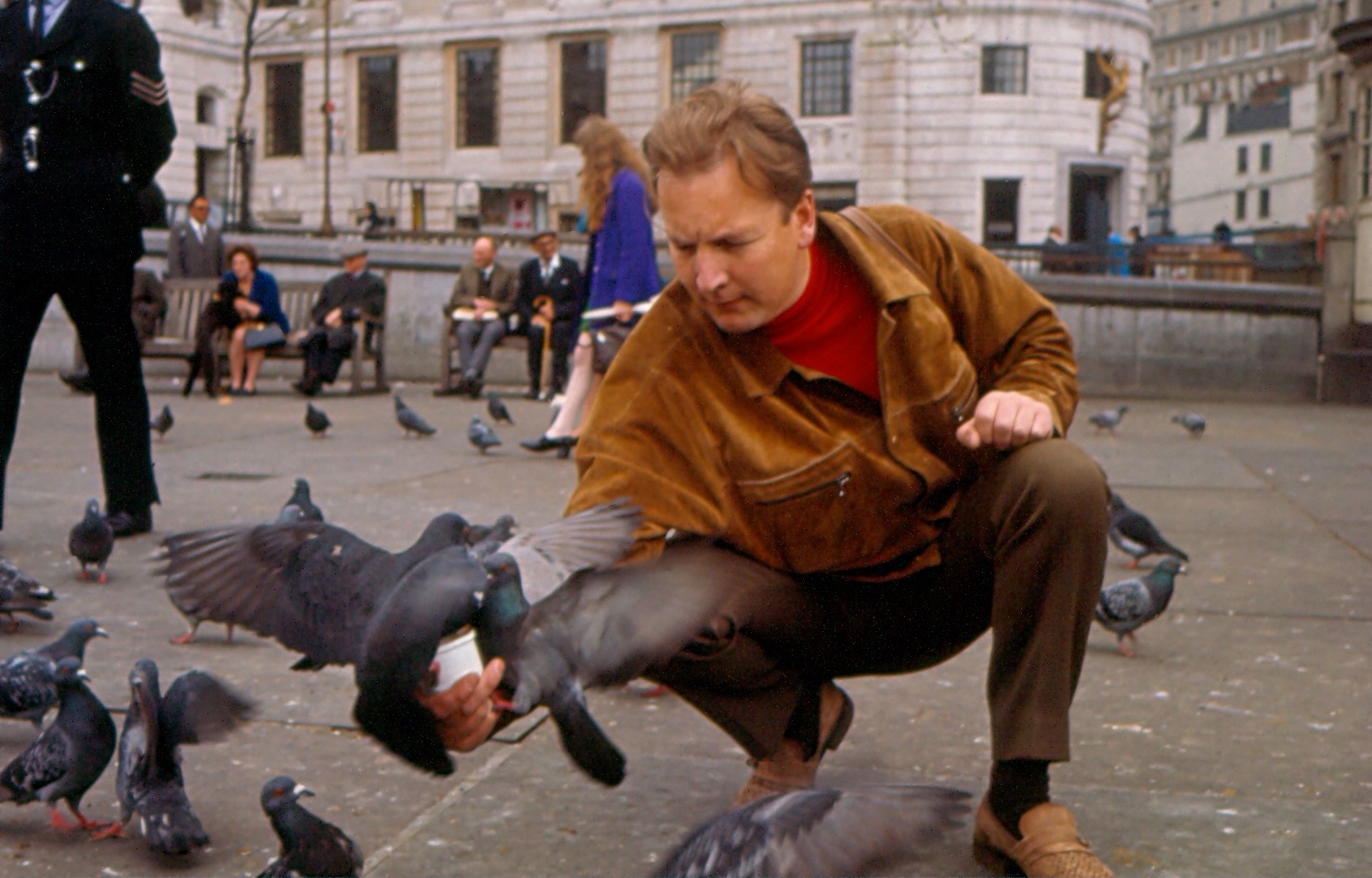
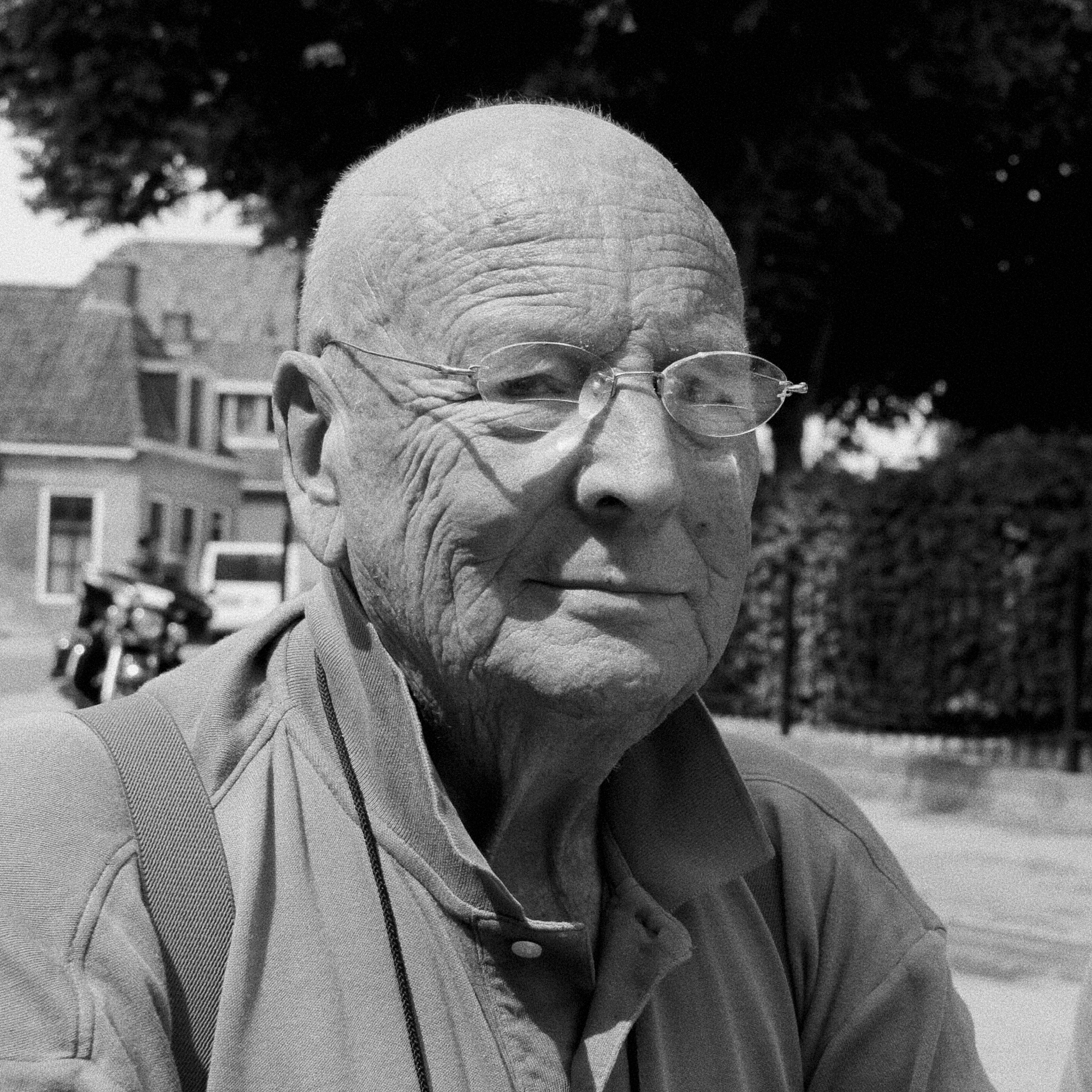
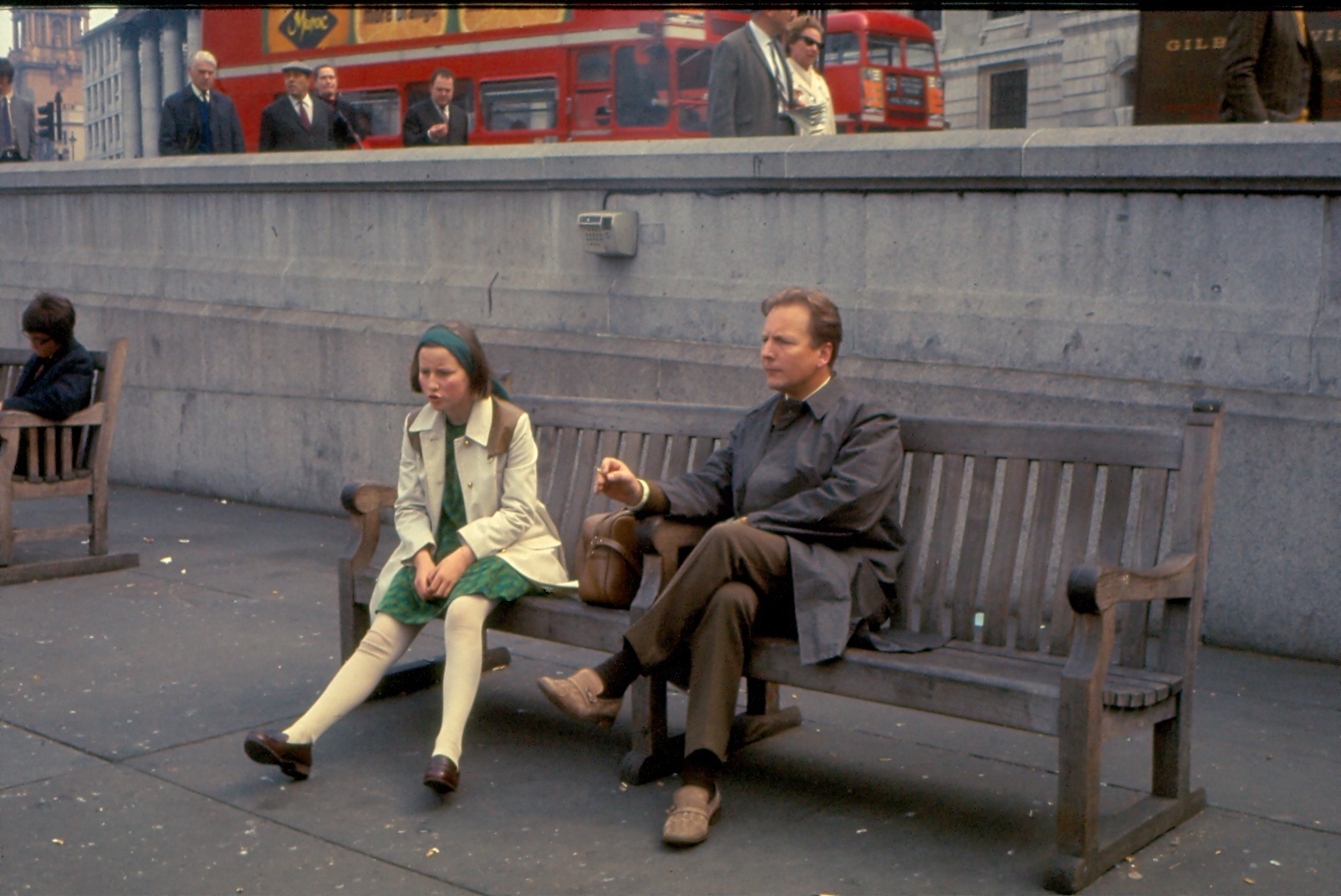
Besides creating sculptures and tables, he was the first director of the Institute for Visual Expression in Amersfoort, where he taught mosaic classes for five years. Kingma worked in The Hague, Kortenhoef, Amsterdam, London, Amersfoort (c. 1961), Epe (from 1966), and Amerongen (1984-1990). From 1990 onwards, he lived in Pingjum, Friesland, where he died in 2013.
Kingma’s legacy lives on in his artworks, which are used daily: the Kingma tables. His sculptures can also be found everywhere in public spaces today, such as at the famous Jaarbeursplein in Utrecht.
Special Thanks
This specific page was made possible in part by Paul Kingma’s son and daughter, Marcus and Eva Kingma. We would like to thank Marcus immensely for his help; without him, we would never have been able to gather so much information about Paul Kingma.
PAUL KINGMA at Ztijl
Our collection features original Paul Kingma tables. Each table has been carefully selected, inspected, and is ready for immediate use. You’re buying an authentic table; a piece of furniture with history, style, functionality, and timelessness.
The Bookshelf at Ztijl
The images, information, and context in this article are partly based on original documentation from our own Ztijl library. We collect and use vintage brochures, books, and archival materials to identify each piece in our collection. Further sources are AD wonen (3/01/1978) and the Paul Kingma website, which no longer exists.
“At Ztijl it’s not just about design, but also about the story behind it.” – Hans van Son